
Reading Readiness for Kindergarten
Reading readiness begins long before a child learns to read on their own. Listening to stories, recognizing letters and sounds, and talking about books all help build early literacy skills. Explore skills and activities you can practice at home to help prepare your child for reading and learning in kindergarten.
Skills to Practice
What Does Reading Readiness Look Like?
Children develop early reading skills at different rates, and they don’t need to know how to read before starting kindergarten. As your child gets ready for school, you can help them practice skills like:
- Recognizing some uppercase and lowercase letters
- Identifying some letter sounds
- Recognizing their first name in print
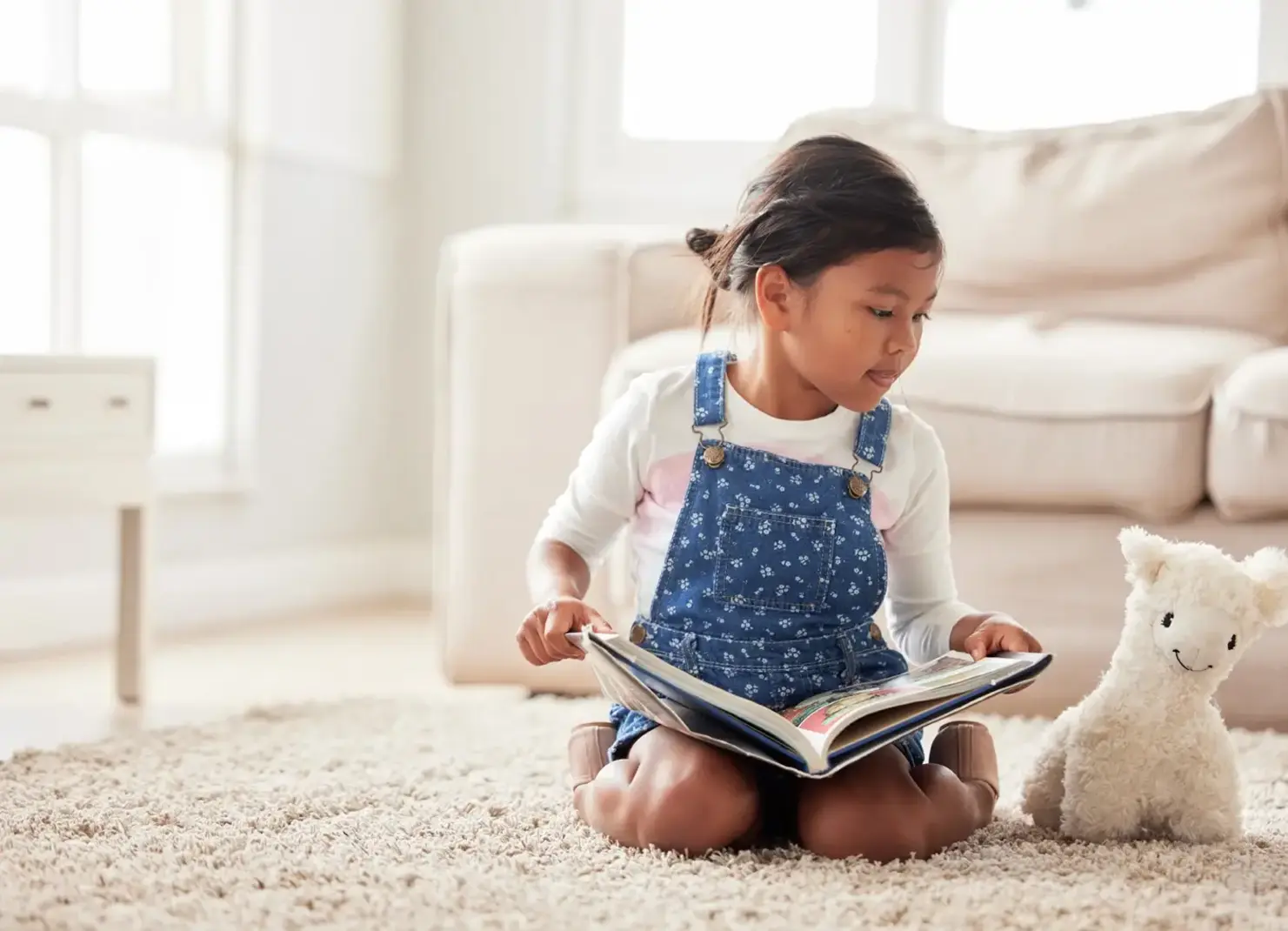
- Listening to and talking about stories
- Looking at books and turning pages from front to back
- Recognizing rhyming words
- Retelling parts of a familiar story
- Using words to describe people, objects, and experiences
Watch & Learn
Reading Readiness Videos
Try these simple activities at home to help your child practice important early reading skills. Watch the videos below for ideas to practice letter sounds, rhyming, and syllables together.
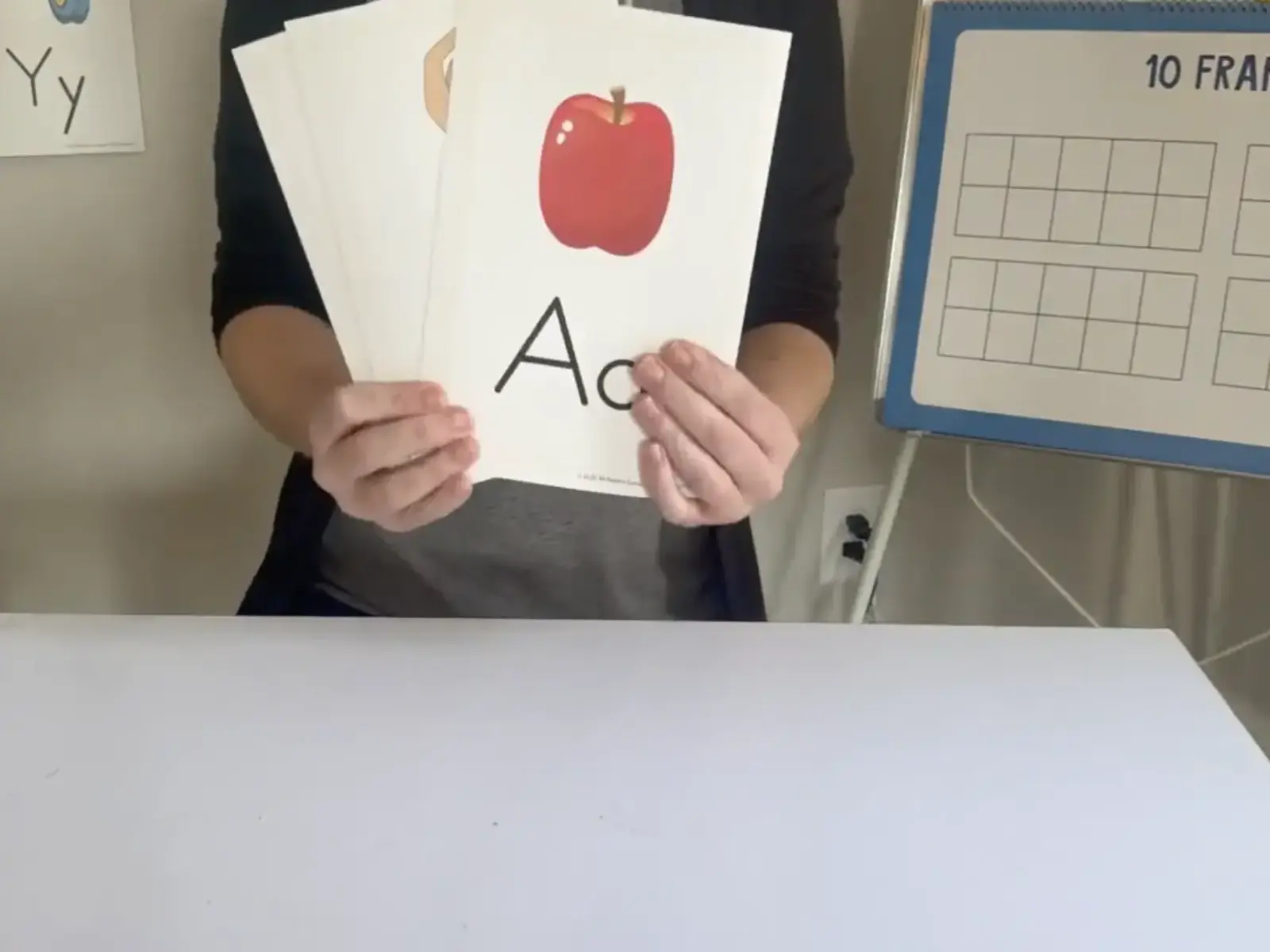
Reading Readiness: Letter Sounds
Practice activities that help your child recognize letters and connect them with their sounds.
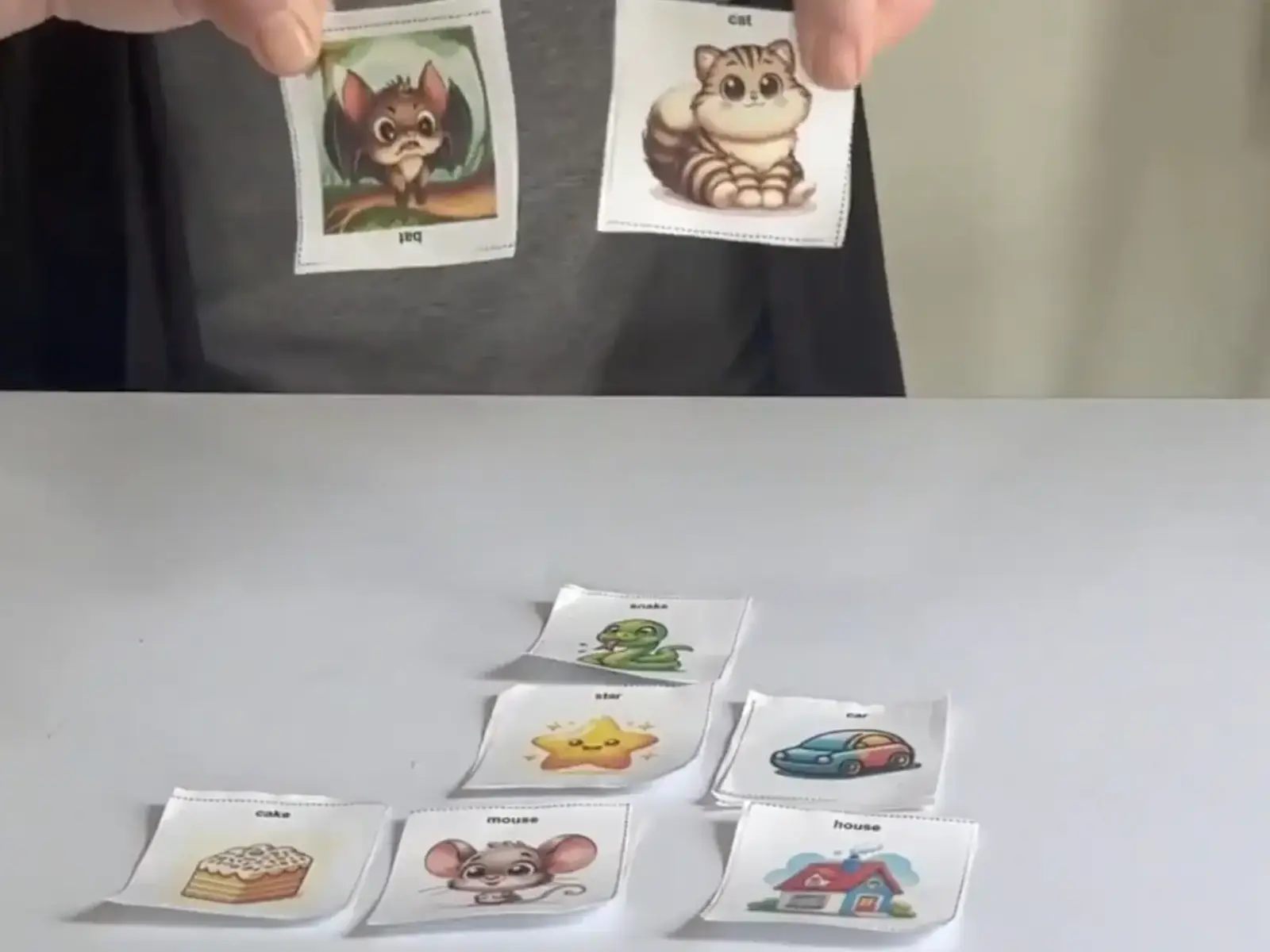
Reading Readiness: Rhyming
Explore fun ways to help your child hear and recognize rhyming words.
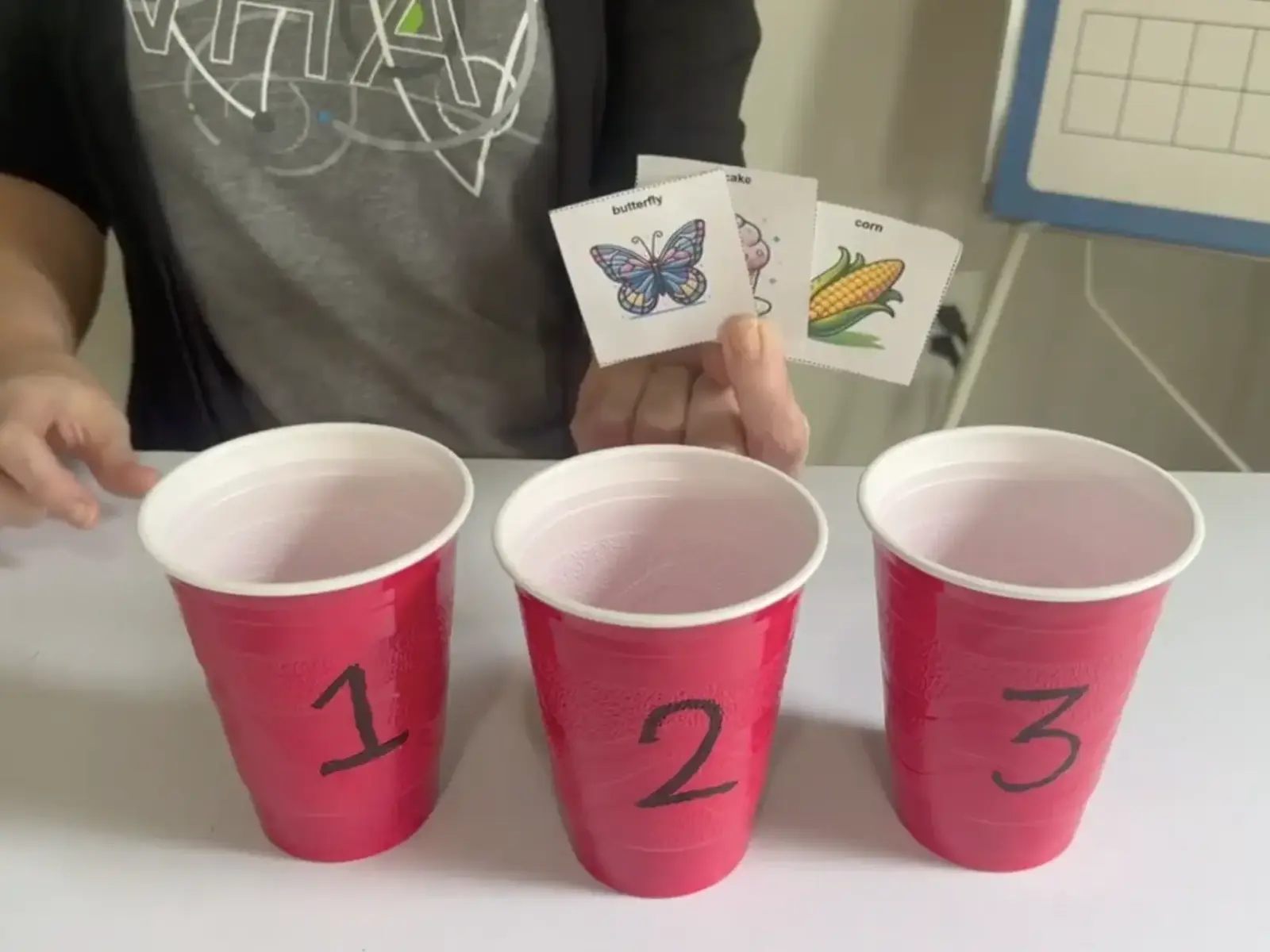
Reading Readiness: Syllables
Discover simple activities to help your child hear and count syllables in words.
Practice at Home
Activities to Build Reading Readiness
Letter Names Activities
Activity: Letter Hunt
Materials:
- Paper
- Marker
- Stickers (optional)
Steps:
- Create letter cards with one uppercase letter on each.
- Hide the cards around a room.
- Let your child search for the cards.
- When they find one, ask them to name the letter.
- If they're correct, praise them and keep playing.
- Add stickers to cards for extra fun.
- Continue until all letters are found.
- Review the letters together at the end.
This activity combines the excitement of a treasure hunt with learning the names of letters. It encourages movement, observation, and active participation, making it a fun and effective way for children to practice letter recognition.
Activity: Alphabet Pointing Game
Materials:
- Alphabet Cards
Steps:
- Sit with your child.
- Point to a letter and say its name.
- Have your child repeat the letter name.
- Let them find and point to letters.
For example:
"Can you find the letter 'A' on the cereal box?"
"Where's the letter 'B' on the book cover?"
"Point to the letter 'C' on the clock." - Praise each correct letter.
- Keep playing, pointing to different letters.
- Add challenges like timing or counting.
- End with positive praise.
This activity is a fun way for kids to learn letters and their sounds. It helps them recognize letters, associate them with everyday objects, and stay engaged in learning. As you point to letters around the house, children repeat the names and build language skills.
Letter Sounds Activities
Activity: Sound Hunt
Steps:
- Choose a letter sound, like "m" for "milk".
- Explain you'll find things with that sound.
- Walk around, pointing to objects and ask if they have the sound.
- When found, gather them in a pile or basket.
- Explore different rooms for more "m" sounds.
- Review the objects, saying the sound for each. Make a collection of "m" sound objects.
- Repeat with other letter sounds, like "s" for "sock".
- Celebrate the discoveries!
This activity is beneficial as it engages children in active listening and sound recognition. By searching for objects around the house that match specific letter sounds, kids learn to associate sounds with real-life items, boosting their understanding of language. This activity also expands their vocabulary as they name each discovered object.
Activity: Alphabet Sound Match
Materials:
- Alphabet cards
- Objects
Steps:
- Shuffle alphabet cards and lay them out.
- Turn over an alphabet card and say its sound.
- Have child find an object that starts with that sound.
- Match and repeat for other letters.
- Discuss words with the same sound.
- Create a sound wall or book.
- Keep playing with new letters.
- Celebrate correct matches!
This activity game is a fun way for kids to learn! They get to match letter sounds with real objects, like matching "A" with "apple". This helps them learn new words that start with each letter, like "B" for "ball" or "C" for "cat". It keeps them engaged and having a great time while making it easy to remember letter sounds.
Letter Name Recognition Activities
Activity: Alphabet Treasure Hunt
Materials:
- Alphabet cards (made from paper)
Steps:
- Hide alphabet cards around the house.
- Encourage child to find and bring back cards.
- Ask child to name each letter they find.
- Celebrate each correct letter found.
- Optional: Add toys matching letter sounds.
- Repeat until all cards are found.
- Review letter names together.
- Optional: Create a letter book or wall.
- Celebrate their success!
This activity is a fun way for kids to learn letter names by finding hidden cards around the house.
Activity: Sensory Letter Writing
Materials (choose one):
- Shallow tray of sand/salt/flour
- Paint brush and bucket of water (for outdoor play)
- Piece of paper and marker
Steps:
- "Write" letter in sand, "paint" letter on sidewalk with water, or "write" letter on paper with marker.
- Say the letter's name aloud.
- Encourage child to copy, write, or paint the letter.
- Ask child to name the letter they've made.
- Repeat the steps with other letters.
This activity engages children in a hands-on and multi-sensory way to practice letter identification. It incorporates tactile experiences with sand, water painting, and traditional writing, making learning letters fun and memorable.
Rhyme Recognition Activities
Activity: Rhyme Time Matching Game
Materials:
- Images of words that rhyme
Steps:
- Explain that words that rhyme have the same ending sounds. Show them an example pair of cards and say the words aloud, emphasizing the rhyme.
- Shuffle the rhyme cards and lay them face up in a grid formation on the table or floor.
- Take turns finding two cards that rhyme. If your child is having difficulty with the amount of cards, you can reduce the number of cards they are matching.
- Say rhyming words aloud, emphasize rhyme.
- Repeat until all pairs are matched.
This rhyming identification game offers an interactive way for children to practice recognizing rhymes with guidance.
Activity: Rhyme Time Memory Match
Materials:
- Images of words that rhyme
Steps:
- Explain that words that rhyme have the same ending sounds. Show them an example pair of cards and say the words aloud, emphasizing the rhyme.
- Shuffle the rhyme cards and lay them face down in a grid formation on the table or floor.
- Flip two cards, find a rhyme.
- Say rhyming words aloud, emphasize rhyme.
- Encourage child to remember matches.
- Repeat until all pairs found.
This activity helps develop phonological awareness, memory skills, and reinforces the concept of words that sound alike.
Activity: Rhyme Time Treasure Hunt
Materials:
- Images of words that rhyme
Steps:
- Hide the images in a room.
- Explain that words that rhyme have the same ending sound. They are going on a treasure hunt to find matching rhymes.
- Encourage your child to search for the hidden cards in the room.
- As the child finds each card, have them bring it back to a central location.
- Once all cards are found, have them lay them out face up.
- Optional: Reset the game and let the child hide the cards for another round of treasure hunting and matching.
This Treasure Hunt Matching Game adds an exciting twist to the classic matching activity, turning it into an adventurous quest for hidden treasures.
Activity: Rhyme Time Sing-Along
Steps:
- Sit down with your child and introduce the song "Down by the Bay".
- Explain that it's a fun song where we make up silly rhymes.
- Sing the song together.
- Sing again using new rhymes.
- Act out the silly rhymes.
- Repeat with different animals, actions, and objects.
This activity promotes early literacy skills by focusing on phonological awareness, rhyme recognition, vocabulary building, creativity, listening skills, memory, and confidence in language use. Through the fun and interactive nature of the "Rhyme Time Sing-Along," children develop a strong foundation for reading and language development.
Syllable Recognition Activities
Activity: Syllable Sorting Fun
Materials:
- Objects or pictures with 1, 2, and 3 syllables (e.g., "ball", "pencil", "umbrella")
- Three containers or baskets labeled "1 Syllable", "2 Syllables", "3 Syllables"
Steps:
- Explain that you're going to sort objects based on how many syllables they have.
- Show them the containers labeled "1 Syllable", "2 Syllables", and "3 Syllables".
- Say object's name, clap out syllables.
- Child sorts object into correct container.
- Repeat for each object, discussing syllables.
- Explore more objects, continue sorting.
- Challenge with timed sorting or more objects.
- Use pictures for variation, clap and sort.
- Repeat activity for reinforcement.
This activity promotes early literacy development by focusing on phonological awareness, syllable recognition, vocabulary building, critical thinking, hands-on learning, memory and recall, language exploration, and confidence building. These foundational skills lay the groundwork for successful reading and language development.
Activity: Syllable Action Fun
Materials:
Pictures with 1, 2, and 3 syllables (e.g., "ball", "pencil", "umbrella")
Steps:
- Explain that you're going to create an action for the number of syllables in a word.
- Show the first card and say the image name.
- Say the word again and clap the syllables as you say it (i.e., cup (clap) cake (clap)).
- Have your child repeat the word and clap the syllables.
- Repeat for each object, identifying the number of syllables and then assigning an action to do when breaking the words into syllables (e.g., jump, hop, etc.).
- Repeat activity for reinforcement.
This activity promotes early literacy development by focusing on phonological awareness, syllable recognition, vocabulary building, critical thinking, hands-on learning, memory and recall, language exploration, and confidence building. These foundational skills lay the groundwork for successful reading and language development.
Activity: Syllable Sound Hunt
Materials:
- Various objects with names of 1, 2, and 3 syllables (e.g., "bell", "butterfly", "elephant")
- Timer (optional)
Steps:
- Explain that you're going on a syllable sound hunt.
- Show examples of objects and say their names aloud, emphasizing the sounds.
- Set timer (optional) for the hunt.
- Find one object with one syllable, one with two, and one with three.
- Search house for objects with matching sounds.
- Clap or tap syllables to check each object.
- Collect objects in designated area.
- Discuss syllable sounds of each object.
- Repeat hunt for more practice.
This activity promotes early literacy development by focusing on phonological awareness, syllable recognition, vocabulary building, active engagement, observation skills, critical thinking, memory and recall, language exploration, and creating a positive learning experience. These foundational skills lay the groundwork for successful reading and language development.