
Movement Milestones for Kindergarten
Fine motor skills help children complete everyday classroom activities like writing, drawing, cutting, building, and getting dressed. Explore skills and simple activities you can practice at home to help your child build coordination, independence, and confidence for kindergarten.
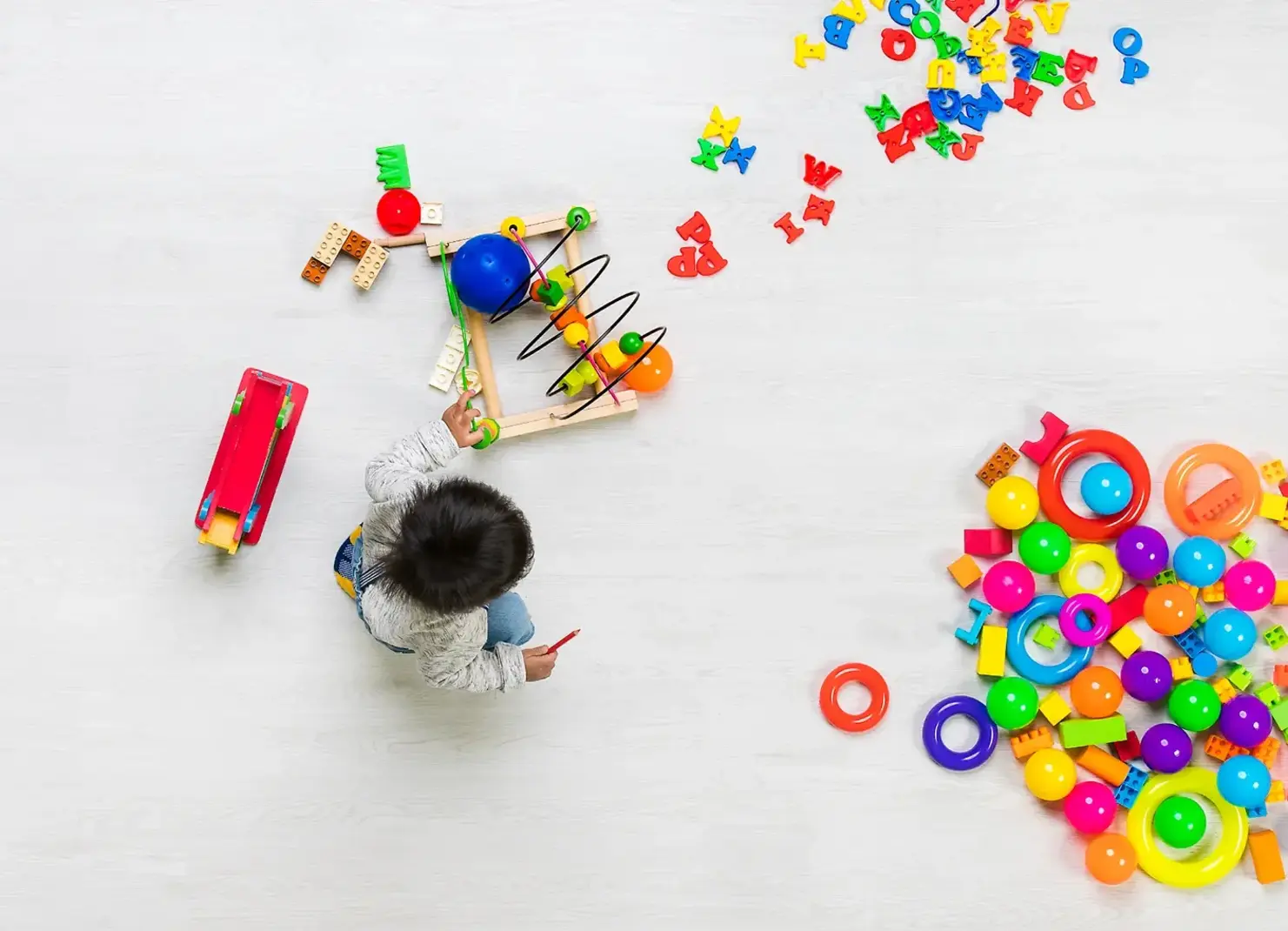
Skills to Practice
What Do Movement Milestones Look Like?
Children develop physical skills at different rates, and they don’t need to master every skill before starting kindergarten. As your child gets ready for school, you can help them practice fine motor skills like:
- Holding and controlling a pencil or crayon
- Tracing lines and simple shapes
- Practicing writing letters, numbers, and their name
- Cutting with child-safe scissors
- Picking up and moving small objects
- Building with blocks or similar toys
- Buttoning and zipping clothing
Practice at Home
Activities to Build Fine Motor Skills
Fine Motor Skill Activities
Activity: Holding a Pencil
Materials:
- Triangle pencil grip
- Large pencil/triangular pencil
Steps:
- Place the pencil grip on the pencil.
- Have your child pick up the pencil as if they were to try to write something.
- Ask them to draw or trace letters or simple pictures.
- You can also practice name writing, or have your child draw a picture.
- Provide support in proper pencil-holding.
Activity: Name Rainbow Tracing
Materials:
- White construction paper or card stock
- Markers or crayons in various colors
- Pencil
Steps:
- Write the child's name in large, clear letters at the top of the paper using a pencil. Make sure there is enough space between each letter.
- Start at the first letter of the child's name. Explain that they will trace over each letter with the marker, creating a rainbow effect by switching colors for each letter.
- Have the child choose a marker or crayon in their favorite color.
Encourage the child to trace over the pencil letters with the marker, following the shape of each letter carefully. - When they reach the end of the first letter, have them switch to a different color for the next letter. They can continue this pattern, using a different color for each letter of their name.
This activity not only helps with letter recognition and tracing skills but also allows for creativity and color recognition. Plus, kids love seeing their names in bright, rainbow colors!
Letter and Number Writing Activities
Activity: Rainbow Writing
Materials:
- Paper
- Crayons, markers, or colored pencils
- Optional: K-lined paper
Steps:
- Choose a letter or number to focus on.
- We recommend starting with capital letters.
- Have the child write the chosen letter or number lightly in pencil on a piece of paper.
- The first few times you do this, you may need to draw the letter/number first for your child to trace, and then encourage them to write the letter/number on their own.
- Provide them with crayons, markers, or colored pencils in various colors.
- Encourage them to trace over the pencil outlines multiple times, each time using a different color to create a rainbow effect.
- As they trace, encourage them to say the letter or number aloud.
- Review proper pencil grip to support your child.
This activity is recommended after your child has had some experience with tracing letters and numbers. It not only helps reinforce letter and number formation but also encourages creativity and color recognition as well as fine motor skills.
Activity: Salt Tray Writing
Materials:
- Tray or shallow container (like a baking sheet)
- Salt/sugar
- Stick/paintbrush/unsharpened pencil/marker
Steps:
- Pour a thin layer of salt or sugar onto the tray, making sure it's evenly spread.
- Show the child how to use their finger, a stick, or a paintbrush to write letters and numbers in the salt/sugar.
- Encourage them to trace the shapes of letters and numbers, starting with simple ones like "L," "O," "1," and "2."
- As they become more comfortable, introduce more letters and numbers, gradually increasing complexity.
- Encourage them to say the letter or number aloud as they write it to reinforce learning.
- Shake the tray gently to erase and start again as many times as they like.
This activity not only helps with letter and number recognition but also enhances fine motor skills and sensory exploration.
Small-object Manipulation Activities
Activities:
- Picking up and moving small objects (coins, M&Ms, etc.) - the pattern activity on the Math Readiness page can also support this.
- Placing coins in a piggy bank
- Building with Legos, Duplo, or similar items
- Practice buttoning or zipping up clothing
- Cutting with scissors
- Threading beads or threading mat
These activities play a crucial role in the holistic development of pre-kindergarten students, fostering physical, cognitive, social, and emotional growth. These activities also support independence.