
Math Readiness for Kindergarten
Early math skills develop through everyday activities like counting, sorting, comparing, and recognizing shapes and patterns. Explore skills and activities you can practice at home to help your child build confidence with numbers and prepare for math in kindergarten.
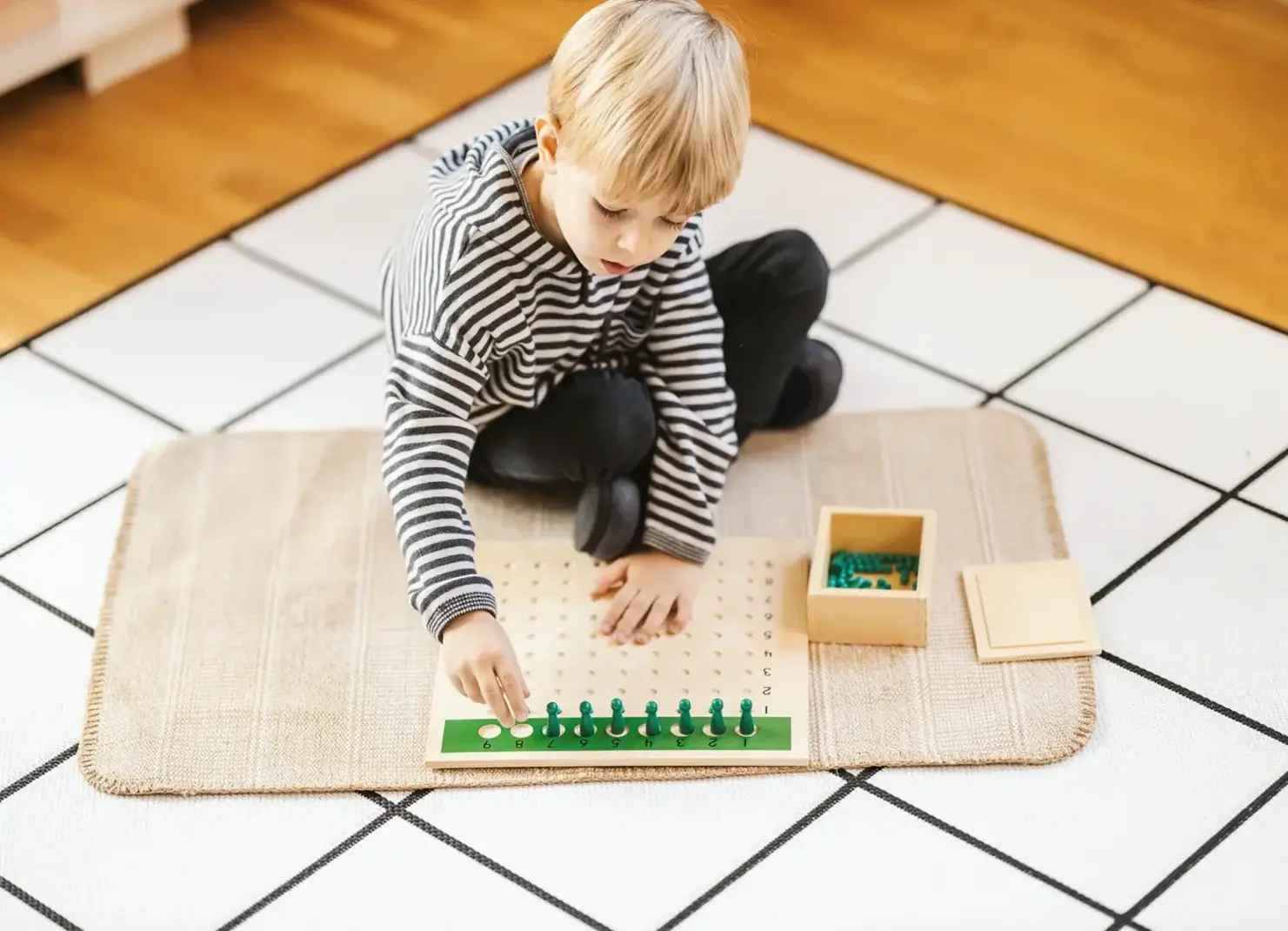
Skills to Practice
What Does Math Readiness Look Like?
Children develop early math skills at different rates, and they don’t need to master every skill before starting kindergarten. As your child gets ready for school, you can help them practice skills like:
- Counting objects
- Recognizing and naming numbers
- Comparing groups to identify more or less
- Recognizing basic shapes
- Sorting objects by characteristics such as color, shape, or size
- Recognizing and creating simple patterns
- Using words to compare size, length, and quantity
- Understanding simple position words such as above, below, beside, and between
Watch & Learn
Math Readiness Videos
Practice at Home
Activities to Build Math Readiness
Counting and Number Identification Activities
Activity: Numbers Everywhere
Materials:
- Number Cards or Magnetic Numbers
Steps:
- Begin by showing numbers in order.
- Say the name of the number on the card, and have your child repeat the number.
- Continue counting up to 10.
Additional Steps/Continue Practice:
- Practice counting without the cards up to 10.
- When focusing on number identification, mix up the cards and ask children to name the number they see on the card.
Activity: Number Hunt
Materials:
- Index cards/small paper (number cards will also work)
- Markers
Steps:
- Write numbers on index cards or small pieces of paper, one number per card.
- Start with numbers 1-5 or any range appropriate for the children's level.
- Hide the number cards around the room or outdoor play area.
- Be sure to place them at eye level or in easily accessible locations for the children.
- Encourage the children to search for the number cards.
- As they find each card, have them identify the number aloud.
- Once all the numbers are found, gather the children together and review the numbers they found. You can ask them to arrange the cards in numerical order or identify which number is missing.
This activity not only helps children practice number recognition but also encourages movement and exploration.
One-to-One Correspondence Activity
Activity: Counting Objects
Materials:
- 10 objects (cubes, toys, or similar objects)
Steps:
- Set up items in a line.
- Model counting each item by touching the item and giving it a number.
- Have child count each item ensuring that they are touching each object and giving it one number.
- Start with smaller quantities and continue to increase amounts up to 10 as your child becomes successful.
- After your child has counted the items and said the final number, ask, “How many are there?”
This activity helps children learn how to count a group of items by giving each item one number. After counting all of the items, being able to answer the question “How many are there?” is a foundational skill children will need when entering kindergarten.
Instant Quantity Recognition Activity (Subitize)
Activity: Quick Flash
Materials:
Note: Begin this activity only after children can identify and name quantities up to five.
Steps:
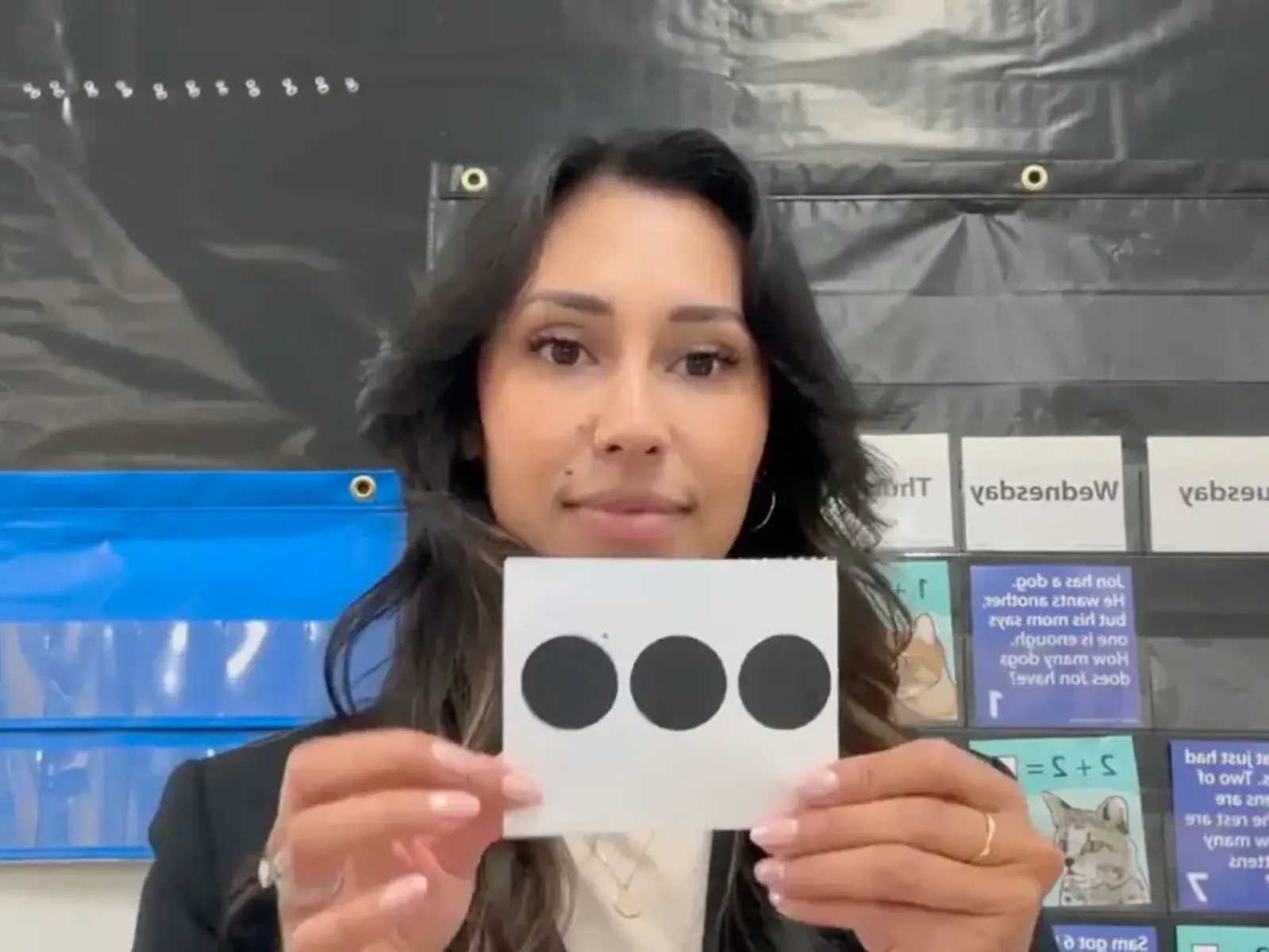
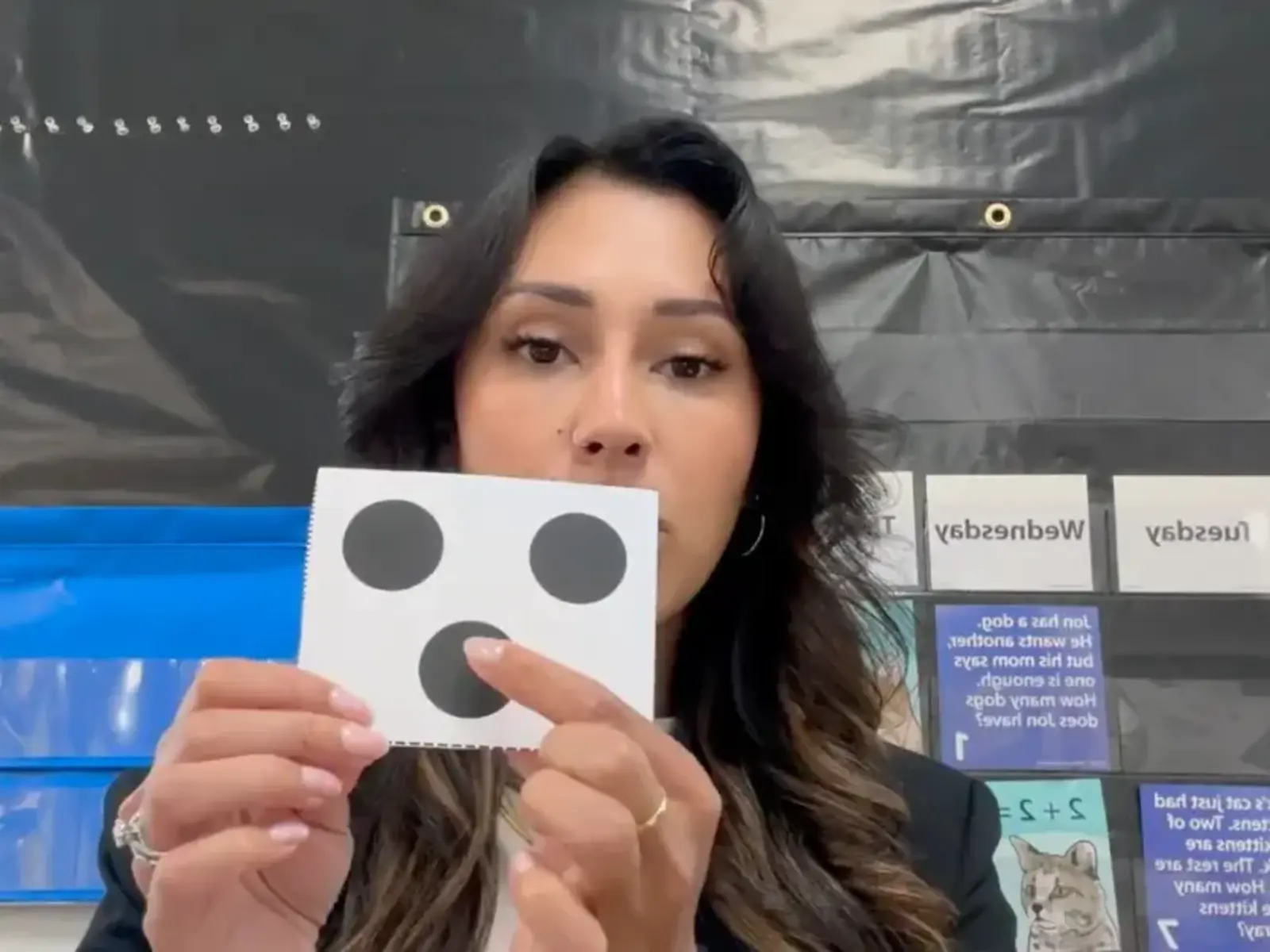
- Select a card and show your child for a few seconds (5-10).
- Ask, “How many dots did you see?”
- The goal is for your child to see the number of dots and recognize the quantity without having to count (subitize).
- Adjust the time you show the card depending on whether it was too quick (the child didn’t have time to recognize the quantity) or too long (the child had time to count the quantity one by one).
This activity helps children develop their ability to recognize and quickly identify the quantity of dots, which is an essential skill for subitizing. Subitizing is a foundational skill that supports early math learning and sets the stage for more complex mathematical thinking as children progress through school.
Shape Recognition Activity
Activity: Shapes in Our World
Steps:
- Show the child an example of the shape (circle, square, triangle). A quick drawing or Google search will work.
- Ask your child to look around the house or room to find other items that are also shaped that way.
- Have your child name the shape.
- Practice a few rounds.
- Once your child is familiar with the shapes (circle, square, rectangle, triangle), when you are out and about, you can also ask your child to locate those shapes in the world.
Categorization and Sorting Activity
Activity: Household Item Sort
Materials:
- Gather 10-15 small household items or toys. Ensure there are similarities between items (e.g., a penny and a coaster because they are both round, or an orange and goldfish crackers because they are both orange). The goal is for students to be able to sort items based on their similarities.
Steps:
- Set out all items in front of your child.
- Ask, “Do you notice anything similar about these items?”
- Ask, “Could you place them in groups based on their similarities?”
- Allow your child to sort the items based on what they see as similar.
- When they are finished, ask them to tell you about why they sorted the objects the way they did.
Every time you do this activity you can adjust the items they are sorting, making it easily adaptable.
Pattern Identification Activities
Activity: Pattern Identification and Continuation
Materials:
- Household items that come in varying colors (Legos, Skittles, M&Ms, Unifix cubes, etc.)
Steps:
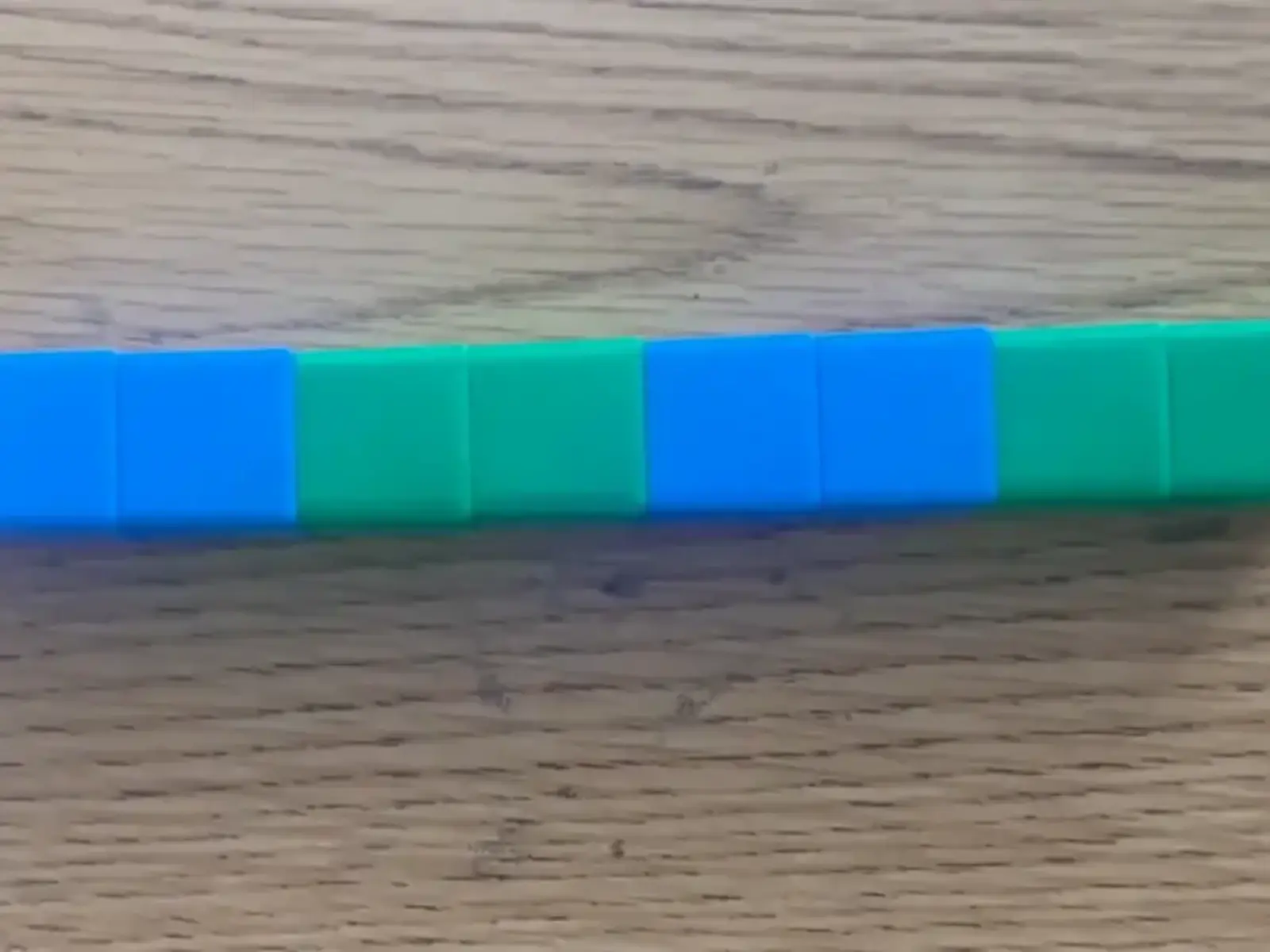
- Create a pattern with the selected items (ABAB, AABB, ABCABC) on a white piece of paper or plain background.
- Ask, “Do you notice anything about our items?”
- Ask, “Can you show me what comes next?”
Activity: What Comes Next? Lady Bugs, Lady Bugs Everywhere!
Steps:
- Click here and follow the activity directions.
- Ask, “What patterns do you see?”
- Ask, “What would come next? And next after that? Can you tell or make a drawing to show the next lines in the pattern?”
- Make the same kind of pattern with toys, drawings, food, or objects from outside.