

The project challenged K–4 students to step into the shoes of engineers, balancing core concepts like thermal absorption, reflection, and insulation with real-world application. Rather than simply memorizing definitions, students discovered the science through practical trial and error.
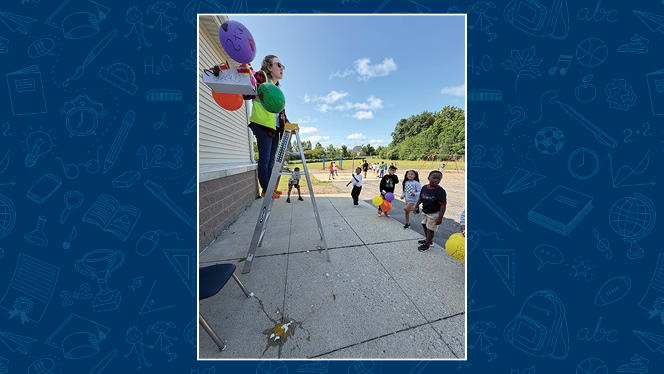
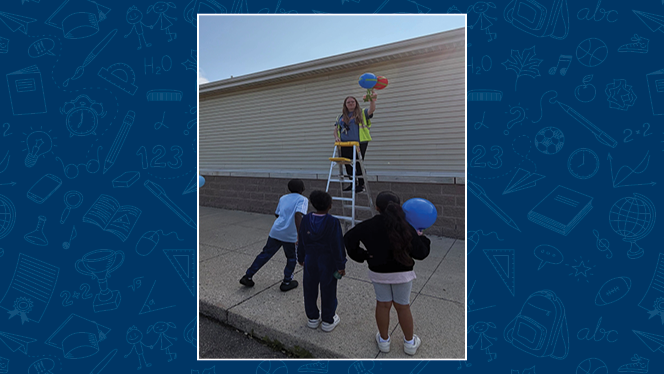
Egg Drop Challenge was a fun way to test impact protection. Students were able to try new things and take risks in a fun educational environment.
"We wanted students to discover the science through hands-on exploration rather than just being told how it works," explained Rachel Licata, Library Technology Specialist. "As they designed their ovens using black paper, aluminum foil, and plastic wrap, they were able to see firsthand why those materials were effective."
To deepen their understanding, educators guided students through structured design choices. Black construction paper absorbed heat, aluminum foil reflected sunlight, clear plastic wrap created a miniature greenhouse effect, and cardboard provided essential insulation. Students tested, redesigned, and improved their builds based on real-time observations.
The Summer Discovery staff made sure all students were able to explore complex scientific principles through a variety of interactive projects.
One of the project's defining moments occurred when middle school teacher Mr. Chad Thompson stepped in to demonstrate absorption using a full spectrum of colored construction paper placed directly in the sun.
"He placed construction paper in every color of the rainbow, including black and white, in the sun so students could observe and feel how each color absorbed heat differently," said Licata. "Seeing the students make those connections firsthand was incredibly rewarding. Watching them confidently use their new vocabulary and scientific understanding was one of the highlights of the project."
Connecting renewable energy concepts to a tangible outcome, making s'mores, helped demystify clean energy for young learners, showing them that scientific principles operate everywhere around them.
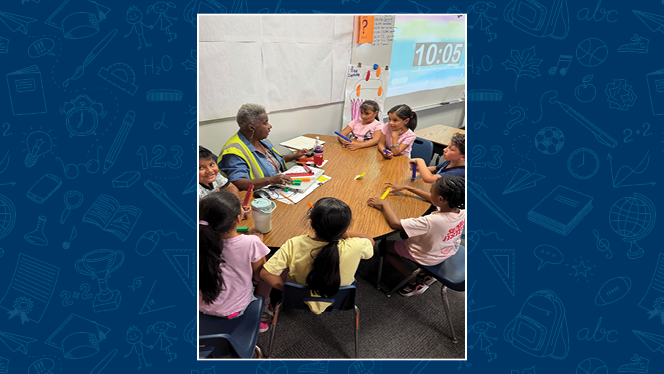 The relaxed summer environment gave students the freedom to experiment without the traditional pressure of grades, fostering resilience and curiosity.
A Summer Packed with STEAM Innovation
The solar ovens were just one part of a dynamic summer curriculum. Throughout the program, students explored complex scientific principles through a variety of interactive projects. They designed catapults to observe energy transfer, constructed bridges to apply structural engineering principles, and tackled the classic Egg Drop Challenge to test impact protection. The Habitat Build sparked an impressive display of student creativity, as young builders conducted research on biotic and abiotic components to ensure their models accurately sustained their chosen ecosystems.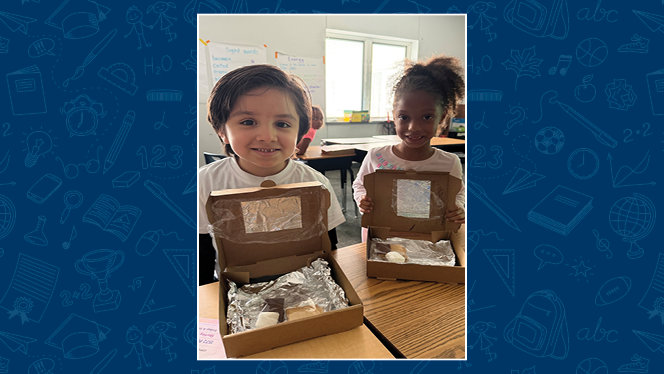
Among a lineup of interactive STEAM challenges, the Solar Oven Project proved to be a standout hit, transforming everyday materials into functional, clean-energy appliances, and delicious treats.
Building Confidence Beyond the Classroom
While the projects delivered plenty of excitement, the core mission of Summer Discovery extended beyond engineering metrics. The relaxed summer environment gave students the freedom to experiment without the traditional pressure of grades, fostering resilience and curiosity."My favorite part has been seeing students take risks and try new things," Licata reflected. "Summer Discovery has created an environment where students feel comfortable asking questions, experimenting, and learning from mistakes."
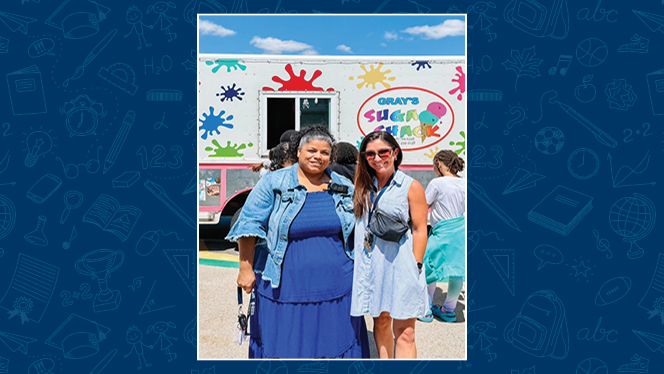
Summer coordinators Stephanie Figueroa and Rachel Licata made sure to allow students the space to feel comfortable asking questions, experiment, and to learn from their mistakes.
As the summer wrapped up, the goal remained clear: equip students with the confidence to tackle future challenges head-on.
"More than anything, I hope our students leave Summer Discovery with greater confidence in themselves as learners," said Licata. "If they leave our program more curious, more confident, and excited to continue learning, then I feel we've accomplished something truly meaningful."
What a wonderful way to engage students through summer learning, Walton Charter Academy!

About Walton Charter Academy
Walton Charter Academy is a tuition-free, public charter school in Pontiac, Michigan, serving students in Young 5s through eighth grade. It is part of the National Heritage Academies (NHA®) network, which includes more than 100 tuition-free, public charter schools serving more than 65,000 students in kindergarten through high school across nine states. For more information, visit nhaschools.com.
Visit Walton Charter Academy's blog to read more stories like this.